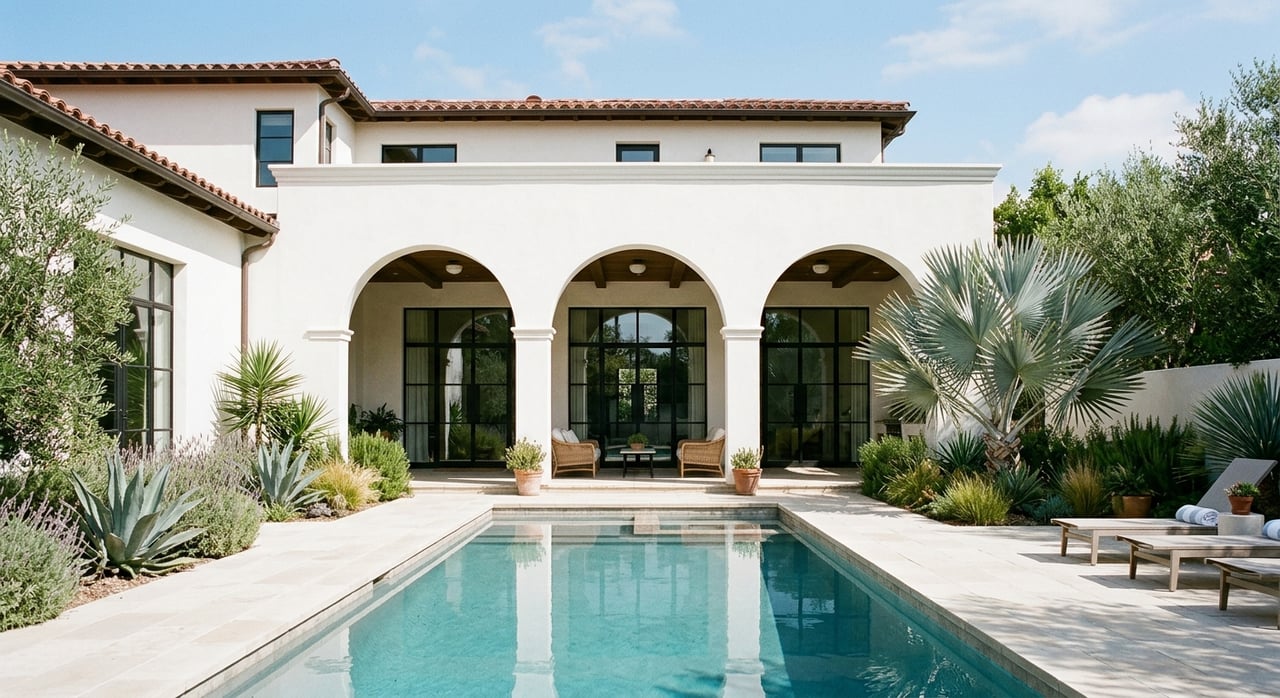
Living in Palos Verdes Estates: The Local Lifestyle
April 23, 2026
April 23, 2026
If you are looking for a coastal community that feels quieter, more residential, and more design-conscious than many parts of Los Angeles, Palos Verdes Estates stands out quickly. Life here is shaped by ocean views, preserved architecture, open space, and a steady daily rhythm that feels more village-centered than fast-paced. If you are wondering what it is really like to live here, this guide will walk you through the lifestyle, housing feel, outdoor access, and practical day-to-day details. Let’s dive in.
Palos Verdes Estates is a small city on the north coast of the Palos Verdes Peninsula with an estimated population of 12,668 across just 4.78 square miles, according to the U.S. Census Bureau. That smaller scale is part of what gives the city its calm, residential feel.
The city also highlights its urban forest, scenic views, pathways, and 28% dedicated open space as central to its identity, which helps explain why the environment feels more peaceful than denser coastal pockets nearby. You notice quickly that Palos Verdes Estates leans into greenery, hillside streets, and ocean outlooks rather than heavy commercial activity, as described by the city’s parklands overview.
Yes, Palos Verdes Estates is coastal, but it does not offer the classic sandy boardwalk experience some buyers picture when they think of beach living. Here, the coastal lifestyle is more about bluff-top views, shoreline access points, and scenic walking routes.
The city notes that residents and visitors can enjoy pedestrian pathways along Palos Verdes Drive North and Palos Verdes Drive West, bluff-top trails with ocean views, and pedestrian-only beach access from the 300 block of Paseo Del Mar through its recreation resources. That creates a more natural, tucked-away version of coastal living that many buyers find especially appealing.
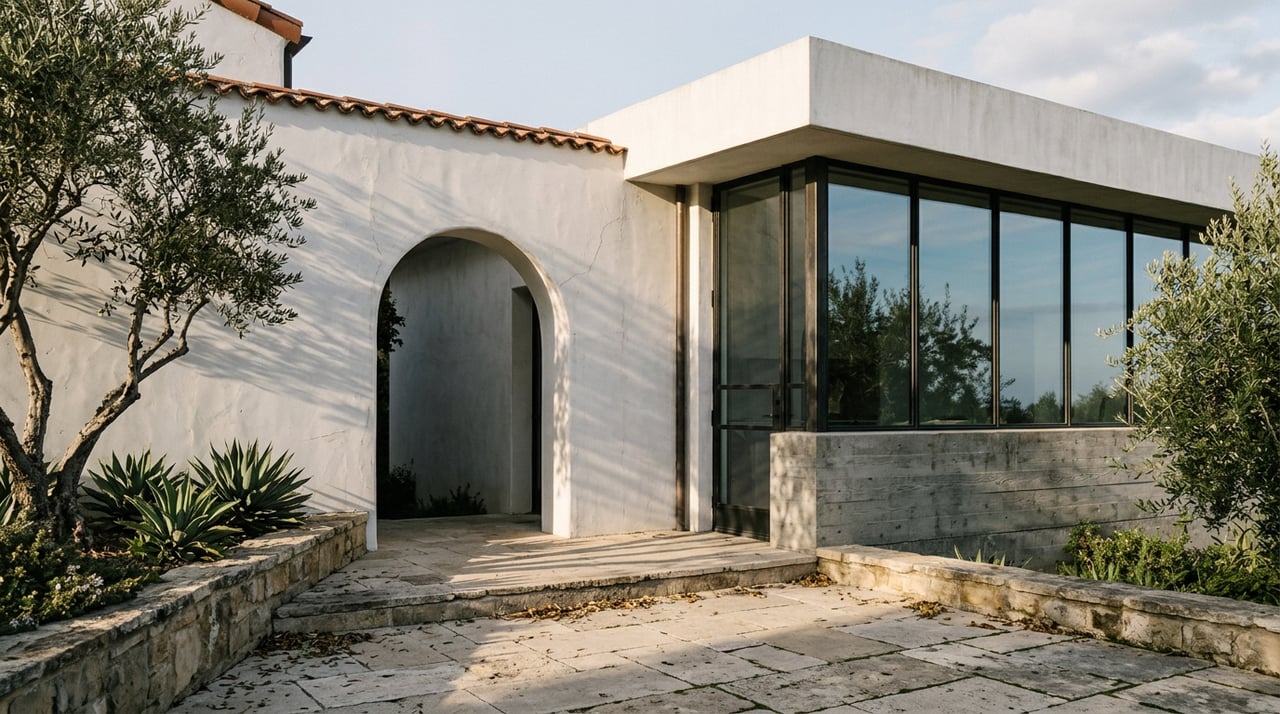
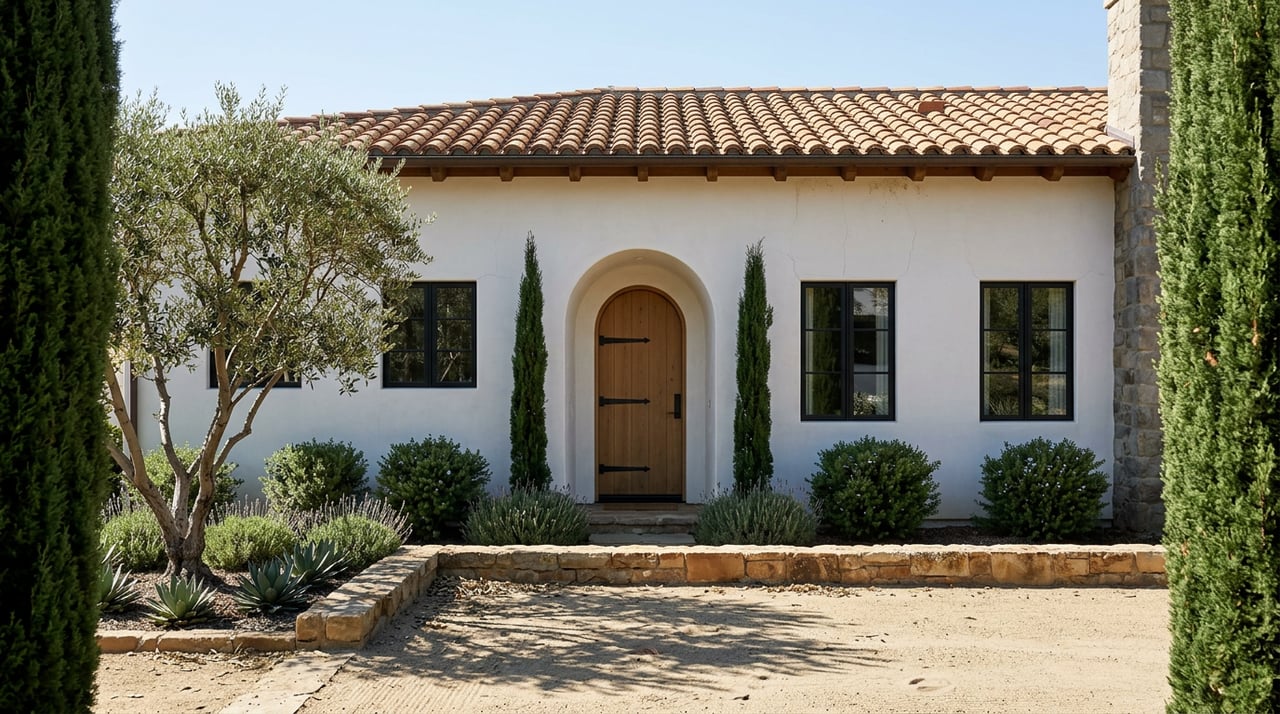
One of the most distinctive things about living in Palos Verdes Estates is how cohesive the city feels. The community places a strong emphasis on preservation and architectural compatibility, which helps maintain a consistent look and a strong sense of place.
The city describes Malaga Cove Plaza as the centerpiece of its Mediterranean Revival architecture and notes that it is listed on the National Register of Historic Places. The Palos Verdes Homes Association and the city’s planning framework both reinforce design standards, so neighborhoods often feel more visually unified and less subject to abrupt architectural change than many nearby communities.
Palos Verdes Estates also carries a visible architectural story. The city points to landmarks such as Malaga Cove Library, La Venta Inn, the Neptune fountain, the former Malaga Cove School building, and the Mirlo Gate Lodge Tower as part of its historic identity.
For you as a resident, that means daily life can feel rooted and specific rather than generic. Even simple errands or weekend walks often come with a backdrop of preserved buildings, mature landscaping, and streetscapes that feel intentionally maintained.
Palos Verdes Estates does not feel mall-centered or highly commercial. Instead, daily life tends to orbit around smaller local nodes, especially Malaga Cove and Lunada Bay, which the city highlights as important community areas on its community page.
That village-style setup can be a great fit if you want a community that feels more local and residential. You are less likely to find constant activity and more likely to find a steady, neighborly rhythm built around routines, local businesses, and outdoor time.
A defining feature of Palos Verdes Estates is its club-oriented lifestyle. The city says four recreational facilities operate on city-owned parklands under concession agreements: the Palos Verdes Golf Club, Palos Verdes Tennis Club, Palos Verdes Beach and Athletic Club, and Palos Verdes Stables, according to the city’s clubs and concessions page.
Some fee-based programs are available to residents and nonmembers, and the golf club includes public dining. That means social and recreational life here can feel a bit more structured around clubs, activities, and memberships than in a typical suburban neighborhood.
If you enjoy being outside, Palos Verdes Estates offers a strong day-to-day lifestyle case. The city identifies passive parks such as Memorial Garden, Farnham Martin Park, Civic Center Park, and Lunada Bay Plaza on its community resources page, and the broader trail and bluff system adds even more options.
This is the kind of place where an evening walk can come with coastal views, and where open space is not just a weekend destination. It is woven into how the city is planned and experienced.
Palos Verdes Estates is a mostly owner-occupied community, with owner occupancy at 89.7%, according to the U.S. Census Bureau. The same data shows median household income at $242,014 and the median value of owner-occupied homes at $2,000,000+.
Those numbers reinforce what many buyers already expect: this is a high-value coastal market with a strong long-term ownership pattern. In practical terms, that often translates into stable residential streets, well-kept homes, and a community where many residents are deeply invested in the area.
For many buyers, yes. The community is closely tied to the Palos Verdes Peninsula Unified School District, and local schools are a visible part of day-to-day life.
The district’s school list includes Lunada Bay Elementary, Point Vicente Elementary, Palos Verdes Intermediate, and Palos Verdes High School. The district also announced that Palos Verdes Intermediate earned a 2024 California Distinguished School designation, which adds another layer to the area’s school-centered identity.
The city’s points of interest also identify Lunada Bay Elementary, Palos Verdes High School, and the district offices at the former Malaga Cove School building as notable local institutions. Meanwhile, Lunada Bay Elementary highlights a supportive campus culture and a dual-language immersion program.
That does not mean every resident is here for schools alone, but it does mean schools, civic groups, clubs, and neighborhood routines tend to shape a lot of community life. If you value a structured, community-oriented setting, that can be a major plus.
The honest answer is both, depending on what you mean. In smaller pockets like Malaga Cove and Lunada Bay, you may find a more walkable feel for local errands or casual outings.
Across the city as a whole, though, daily life is still more car-oriented. The U.S. Census Bureau reports a mean commute time of 31.9 minutes, and while the city links to the Palos Verdes Peninsula Transit Authority, the layout and geography still suggest that driving remains part of everyday life for most households.
Palos Verdes Estates often appeals to buyers who want a residential coastal setting with a slower pace and a stronger sense of visual continuity. It can be especially attractive if you value open space, established architecture, ocean views, and a community where neighborhood identity still matters.
It may also be a strong fit if you enjoy self-directed outdoor routines, club-based recreation, and a less commercial day-to-day atmosphere. On the other hand, if you want dense walkability, a large restaurant scene, or a classic sandy beach town setup, the lifestyle here may feel more understated and residential than what you are after.
Living in Palos Verdes Estates is less about nonstop activity and more about consistency, scenery, and a strong sense of place. You get a coastal environment with preserved character, village-style centers, and outdoor access that feels built into the fabric of daily life.
For the right buyer, that balance is exactly the appeal. If you want help exploring homes, comparing neighborhood pockets, or finding private opportunities in Palos Verdes Estates, connect with The Gipe Group for thoughtful, senior-led guidance tailored to your goals.
Stay up to date on the latest real estate trends.
Etiam non quam lacus suspendisse faucibus interdum. Orci ac auctor augue mauris augue neque. Bibendum at varius vel pharetra. Viverra orci sagittis eu volutpat.