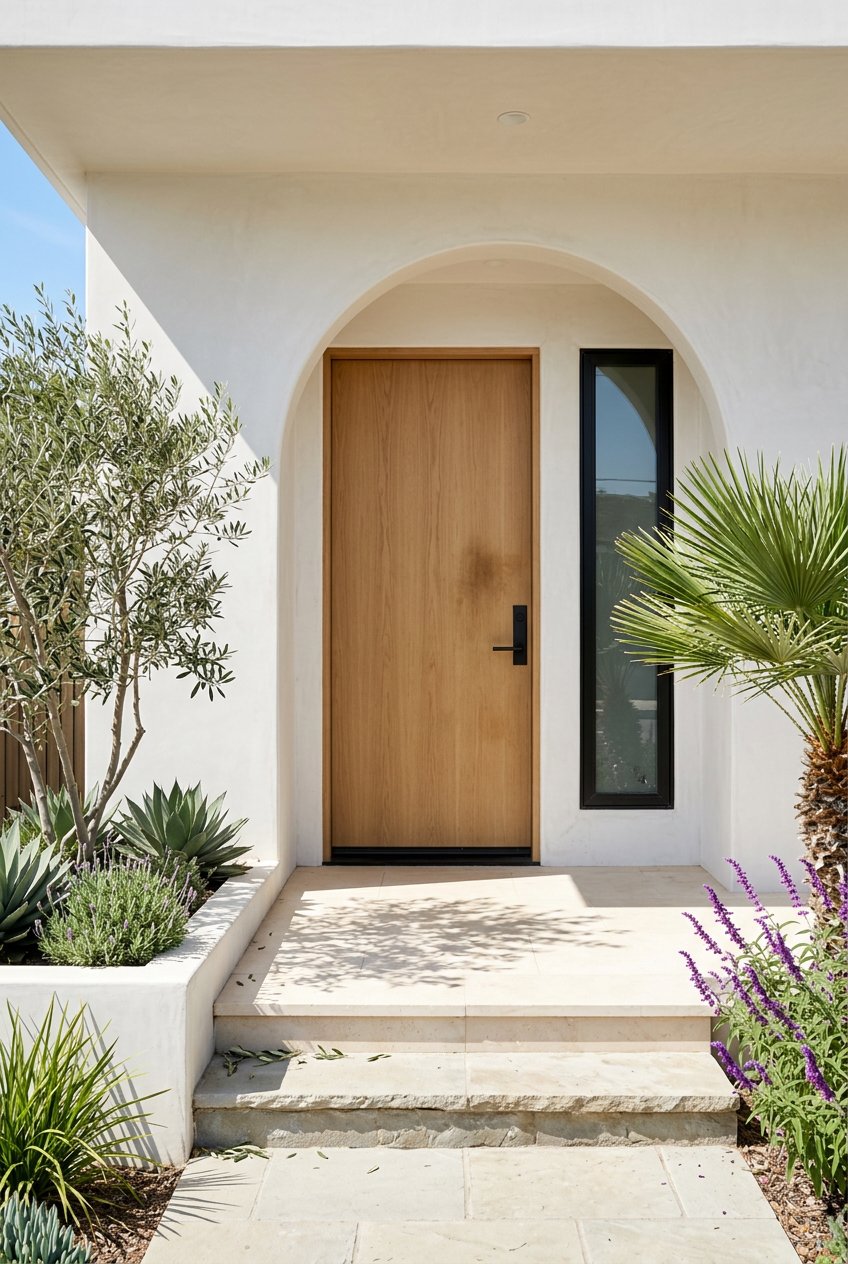
Pricing Your Home in Costa Mesa’s 2026 Market
March 24, 2026
March 24, 2026
You want top dollar without risking a stalled sale or a blown appraisal. In 2026, that takes precision. Rates have hovered near 6 percent and buyers jump in and out of the market with every small shift, which means the right price is the one that attracts action fast and stands up to an appraiser’s review. In this guide, you’ll learn how to read Costa Mesa’s micro-neighborhoods, choose the right comps, make smart condition adjustments, and set a price that brings strong offers with low execution risk. Let’s dive in.
Costa Mesa sellers are pricing into a payment-sensitive market. According to Freddie Mac’s Primary Mortgage Market Survey, the 30-year fixed averaged about 5.98% in late February 2026, with weekly readings in early March near 6.0% to 6.1%. When rates ease even a little, the MBA reported a weekly jump in purchase applications, a reminder that buyer demand now arrives in waves.
Citywide numbers can be misleading. Recent portal data showed Costa Mesa’s median sale price near the mid to high $1.5 million range in February 2026, while some average value and median list metrics sat lower. Those differences reflect how each platform calculates. The practical takeaway: rely on recent closed sales and the right zip or neighborhood band, not a single citywide figure.
Inventory across Orange County is higher than the ultra-tight 2021–22 period, but many price bands still move quickly when the home is well positioned. That means a correct day-one price and strong presentation can still deliver excellent results, while an overprice tends to linger and require cuts.
Costa Mesa pricing lives at the micro level. Eastside and ocean-adjacent pockets can capture consistent premiums. Proximity to South Coast Plaza and John Wayne Airport supports values in South Coast Metro, while larger lots, yards, and pools can carry more weight in inland areas like Mesa Verde. Use neighborhood price-per-square-foot bands as a clue, then refine with true apples-to-apples sales.
Start with 6 to 12 recent closed comps from the last 30 to 90 days. If that pool is thin, include the best pending sales and explain why they fit. Follow core selection rules that line up with CMA best practices:
Document why each comp made the cut. Note any outliers you excluded and why they don’t reflect the likely buyer pool.
Buyers and appraisers assign real value to updates and condition. Kitchen and bath remodels, roof age, HVAC, windows, flooring, landscaping, natural light, and curb appeal all matter. Pools, views, and outdoor living areas can be powerful value drivers in the right pocket. Use market-derived dollar or percentage adjustments when possible, and back your rationale with observed comp spreads. The approach in Fannie Mae’s Selling Guide explains how adjustments should be supported.
A few Costa Mesa nuances:
After you adjust your comps, build a conservative range. The “likely” number is what the market should pay based on several strong closed sales. The “low” number reflects a quicker-sale target. The “high” number is what might be achieved with ideal execution and favorable buyer competition.
Tie your list price to your goals:
Whatever path you choose, keep appraisal support at the center. If the final offer exceeds what closed sales can support, you will need a plan to handle the appraisal gap.
Your best buyer pool sees you first. National listing timing analysis points to Thursday launches to align with weekend showing plans and maximize fresh-list momentum. Leverage that timing with pro photography, video, and a 3D tour so your listing shines on day one. A coordinated calendar fuels urgency and discovery. For a timing overview, see this analysis of Thursday list strategies.
If you expect strong interest, set an offer deadline about 5 to 7 days after launch and request buyer pre-approval and proof of funds with each offer. Staggered open houses and a transparent offer schedule benefit qualified buyers and help you compare terms side by side.
If you anticipate bids above list, talk with your agent about acceptable appraisal-gap clauses and backup plans before you launch. Buyers using financing rely on appraisals grounded in closed comps. If the appraisal lands below the contract price, the buyer must bring cash to bridge the difference or you renegotiate. Review the appraisal process and valuation expectations in Fannie Mae’s Selling Guide.
Order focused pre-list inspections for roof, HVAC, pest, and sewer when appropriate. Decide which repairs to complete and which to disclose. In California, accurate, complete disclosures are expected and help prevent renegotiation surprises later. Organized documentation, including permits for upgrades, also supports appraisal confidence.
Costa Mesa buyers respond to lifestyle. Thoughtful staging and top-tier visuals can increase showings and strengthen first-week interest. NAR’s 2025 Profile of Home Staging notes that staged homes often see improved buyer perception and stronger offers. At a minimum, stage high-impact areas like the living room, kitchen, and the primary suite.
Pair a data-backed price with best-in-class marketing. Our team uses senior-led guidance, Compass-powered production, and Luxury Presence creative to deliver pro photography, video, 3D tours, and targeted distribution, including private and coming-soon channels when appropriate. The goal is simple: maximize qualified exposure in the first 7 to 10 days, when momentum is highest.
Pricing well in Costa Mesa right now is part data, part judgment, and all about execution. When you blend the right comps, clear adjustments, and premium presentation, you give buyers confidence and appraisers support while protecting your bottom line. If you would like a senior-led, neighborhood-specific pricing plan and a market-ready launch, connect with The Gipe Group for a confidential consultation.
Stay up to date on the latest real estate trends.
Etiam non quam lacus suspendisse faucibus interdum. Orci ac auctor augue mauris augue neque. Bibendum at varius vel pharetra. Viverra orci sagittis eu volutpat.