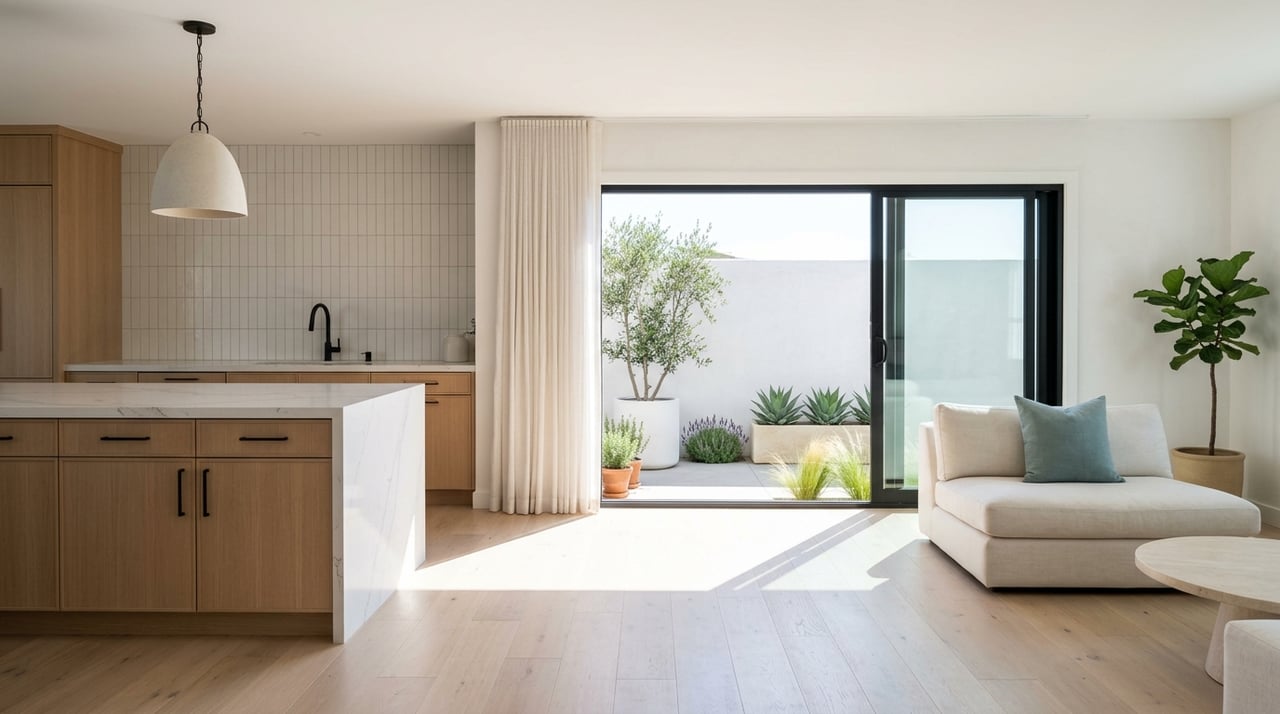
How Coastal-Casual Design Defines Costa Mesa Homes
June 18, 2026
June 18, 2026
Ever wonder why so many Costa Mesa homes feel instantly relaxed, bright, and easy to live in? That look is not just a passing trend. It reflects the city’s coastal setting, its creative identity, and a planning framework that values architectural character, compatible scale, and natural surroundings. If you are buying, renovating, or preparing to sell in Costa Mesa, understanding this design language can help you see what gives homes here their appeal. Let’s dive in.
Costa Mesa describes itself as being one mile from the Pacific Coast and highlights its mild Southern California climate and arts-focused identity. That combination helps explain why homes here often lean toward open, relaxed spaces instead of formal layouts. The setting naturally supports a style that feels light, practical, and connected to the outdoors.
The city’s planning guidance also reinforces that direction. Costa Mesa’s General Plan encourages new and remodeled homes to reflect the city’s eclectic quality while staying compatible with surrounding buildings and natural surroundings. It also promotes native planting, water-efficient landscaping, and a distinctive sense of place.
In simple terms, coastal-casual design works here because it matches both the climate and the local design values. Features like indoor-outdoor flow, clean massing, and low-water landscaping feel appropriate in Costa Mesa, not forced. That local fit is a big part of why the style continues to resonate.
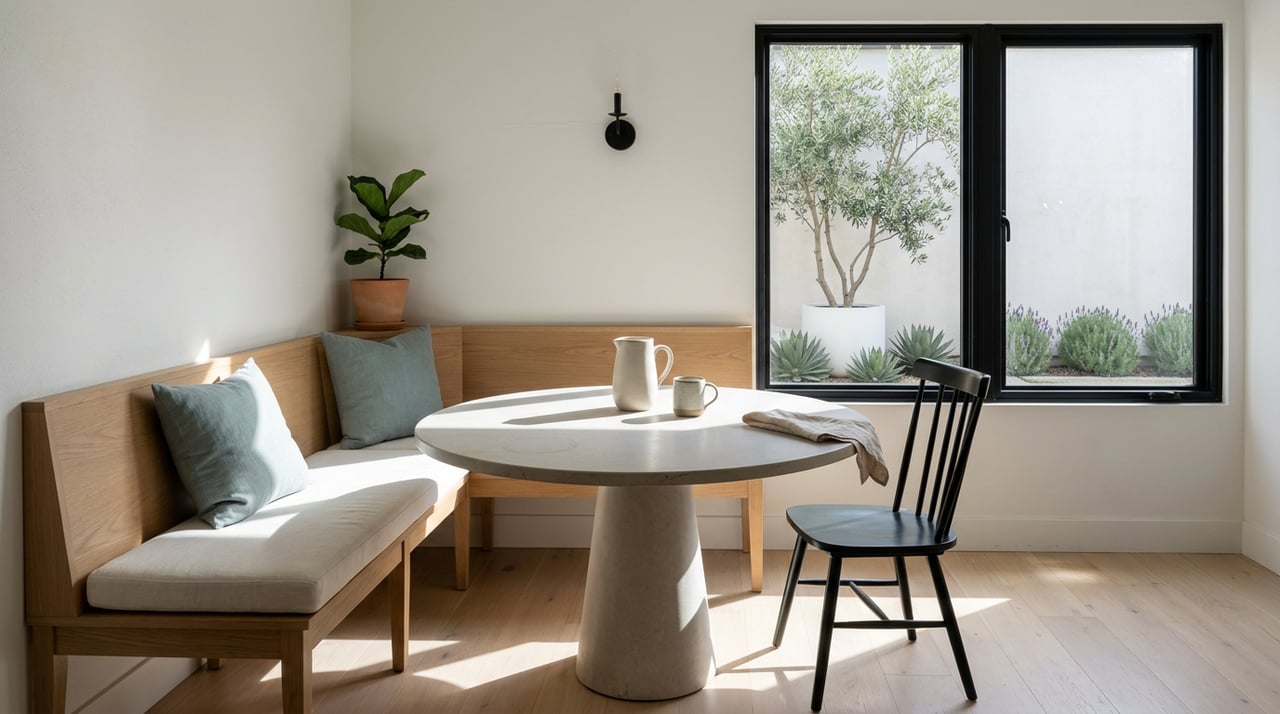
In Costa Mesa, coastal-casual design is usually less about themed beach décor and more about how a home feels. You will often see bright interiors, warm natural textures, and a layout that makes daily life feel easy. The overall effect is polished but not stiff.
Current design trends line up closely with what already feels natural in this market. Recent trend reporting points to strong interest in outdoor living spaces, blended indoor-outdoor areas, low-irrigation landscaping, warmer neutral palettes, green accents, and natural materials like wood, stone, and plaster. In Costa Mesa, those choices make sense both visually and practically.
A coastal-casual home here often includes:
These elements create a home that feels calm, functional, and tied to its setting. That is a big reason the style has staying power in Costa Mesa.
Costa Mesa’s homes did not start with one single look. The city’s historic survey documents a mix of bungalow, Craftsman bungalow, Spanish Colonial, Monterey, and bungalow period revival styles. Ranch and mid-century modern forms also play an important role in the city’s visual identity.
That variety helps explain why coastal-casual design in Costa Mesa feels layered rather than uniform. Instead of one strict style, you see a shared design attitude across different home types. The common thread is often scale, simplicity, and a connection between indoor and outdoor living.
Bungalows are a major part of Costa Mesa’s housing story. In the city’s historic documentation, they are described as horizontally oriented homes with broad porches, exposed rafters, simple construction, and built-in features. Those traits naturally support the relaxed, approachable feel many buyers respond to today.
Because bungalows are usually lower-slung and character-rich, they often feel more personal than formal. Their proportions and detailing lend themselves well to thoughtful updates that improve livability without stripping away charm. That balance is central to the coastal-casual look.
Costa Mesa’s design identity also includes ranch and mid-century modern influences. Those forms often emphasize horizontal lines, natural light, and easy circulation, all of which pair well with a casual California lifestyle. They also tend to support stronger indoor-outdoor connections.
Recent Costa Mesa home features have highlighted this clearly, including a mid-century modern or ranch-style home with light-filled living areas and outdoor living space, along with a remodeled 1960s ranch home transformed into an indoor-outdoor family retreat. These examples show how well older forms adapt to current preferences.
One of the clearest markers of coastal-casual design in Costa Mesa is the way homes extend daily living outside. The local Mediterranean climate, with warm, dry summers and mild, wet winters, supports outdoor use for much of the year. That makes patios, decks, courtyards, and garden seating areas feel like practical living space, not just extras.
This pattern shows up in both trend data and local examples. Outdoor living spaces and blended indoor-outdoor spaces remain top design priorities, and Costa Mesa homes featured in design coverage often include French doors, back decks, courtyards, and outdoor rooms that expand how the house functions.
For you as a buyer or seller, this matters because usable outdoor space often adds to a home’s appeal. Even modest yards can feel high-impact when they are designed as an extension of the interior. In Costa Mesa, that kind of flow often feels right at home.
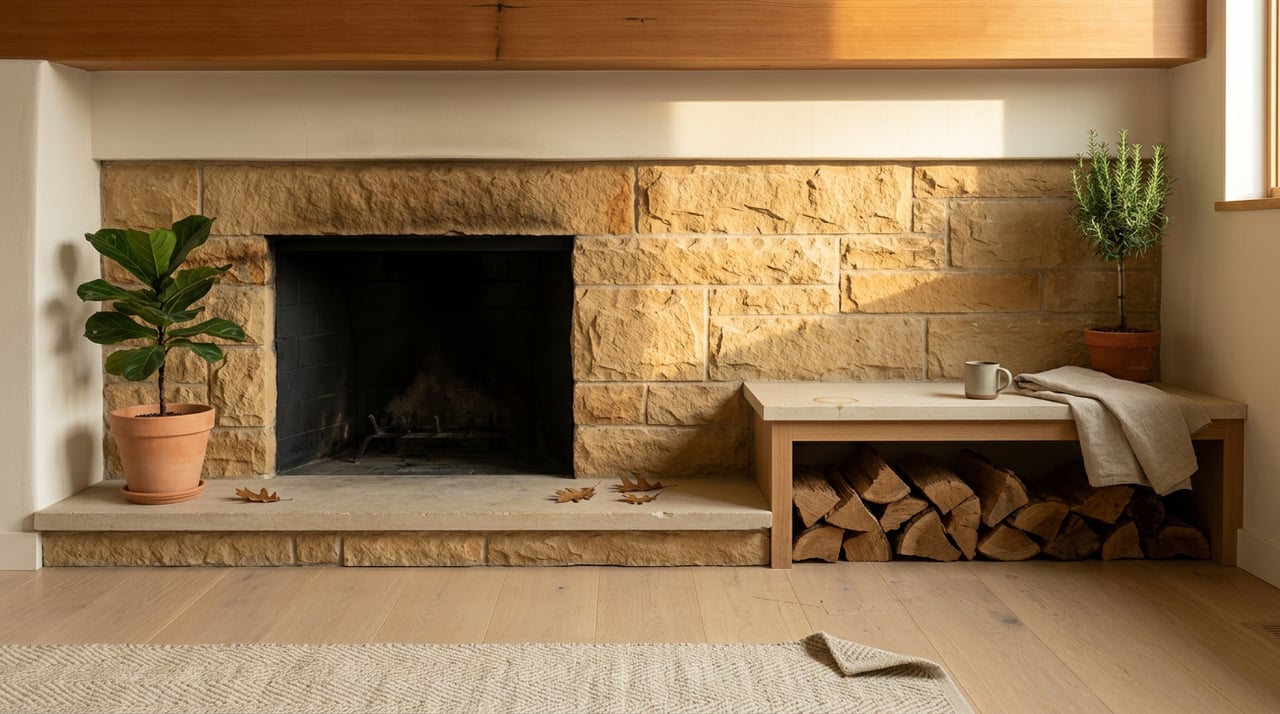
Costa Mesa’s version of coastal-casual design tends to favor warmth over starkness. Rather than cold whites and overly glossy finishes, today’s look often leans into warmer neutrals, organic textures, and materials that feel grounded. Wood, stone, plaster, and simple matte finishes all fit that direction.
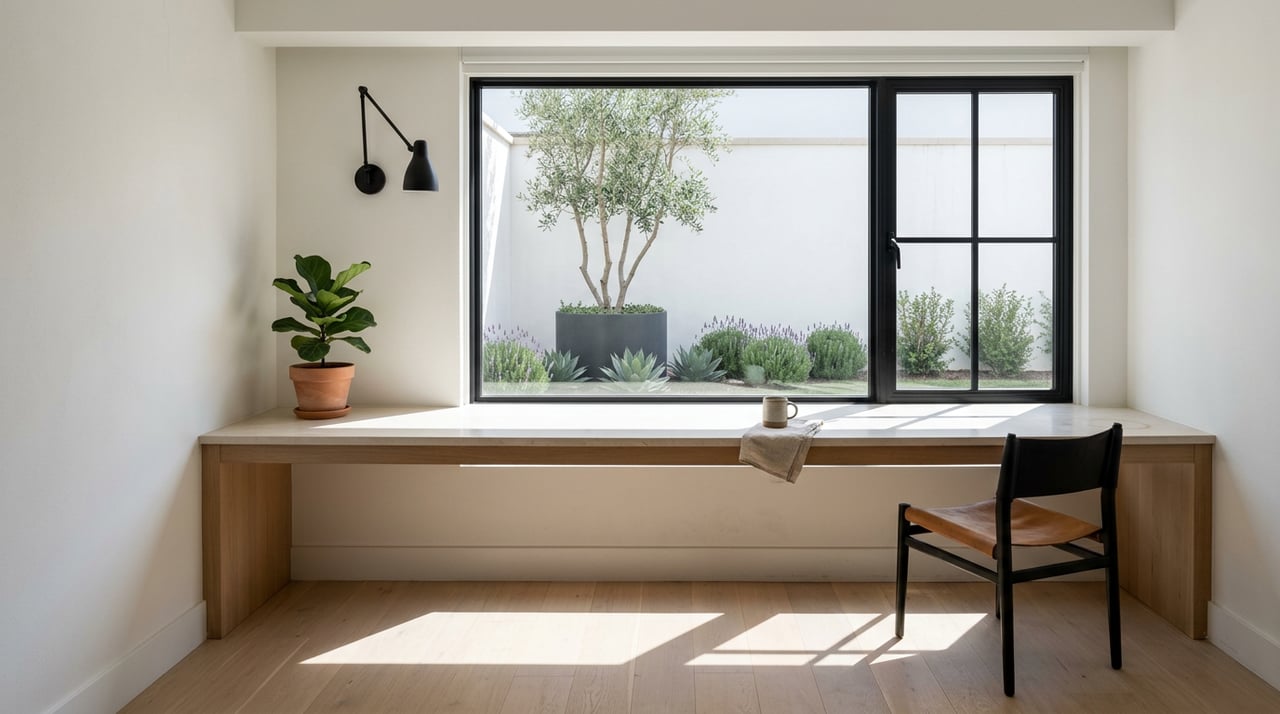
White oak storage and lighter wood flooring are especially aligned with this style. They bring softness and brightness without making a space feel overly formal. In homes with older architecture, these materials can also bridge original character and modern function.
Green accents and nature-based palettes work well too. They echo the city’s emphasis on natural surroundings and pair naturally with drought-tolerant planting outside. The result is a home that feels cohesive from the front walk to the back patio.
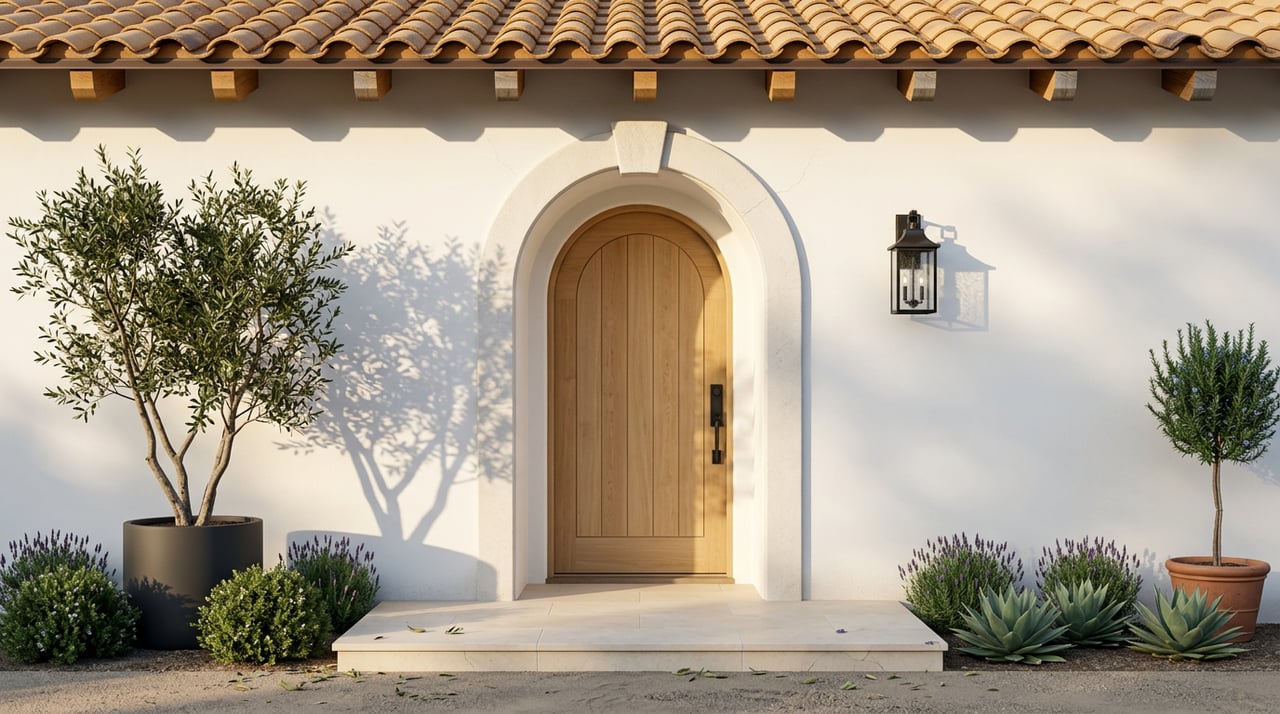
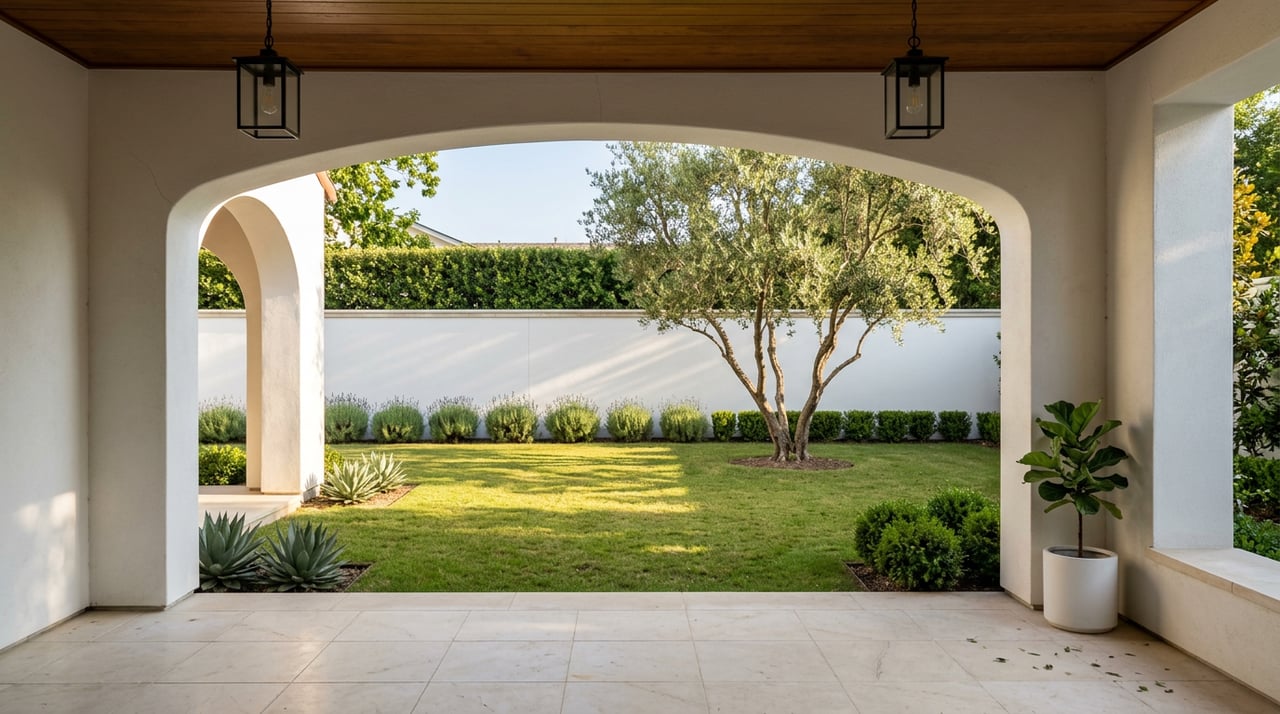
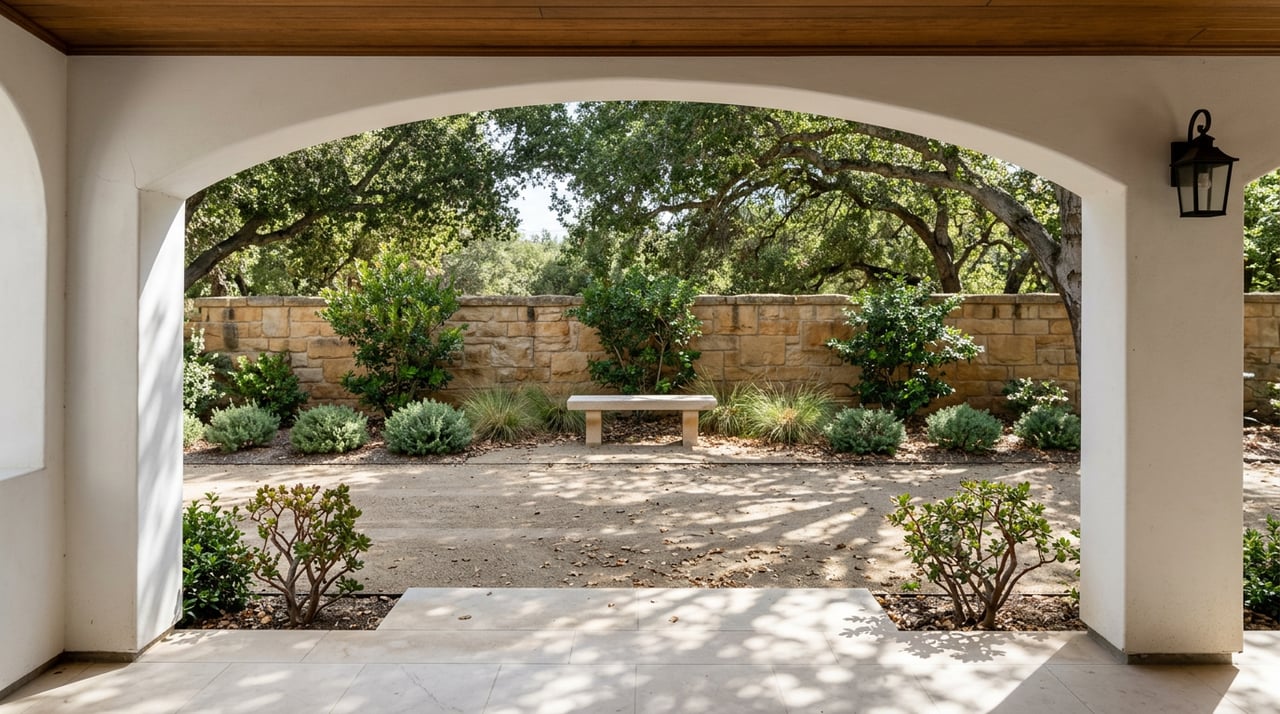
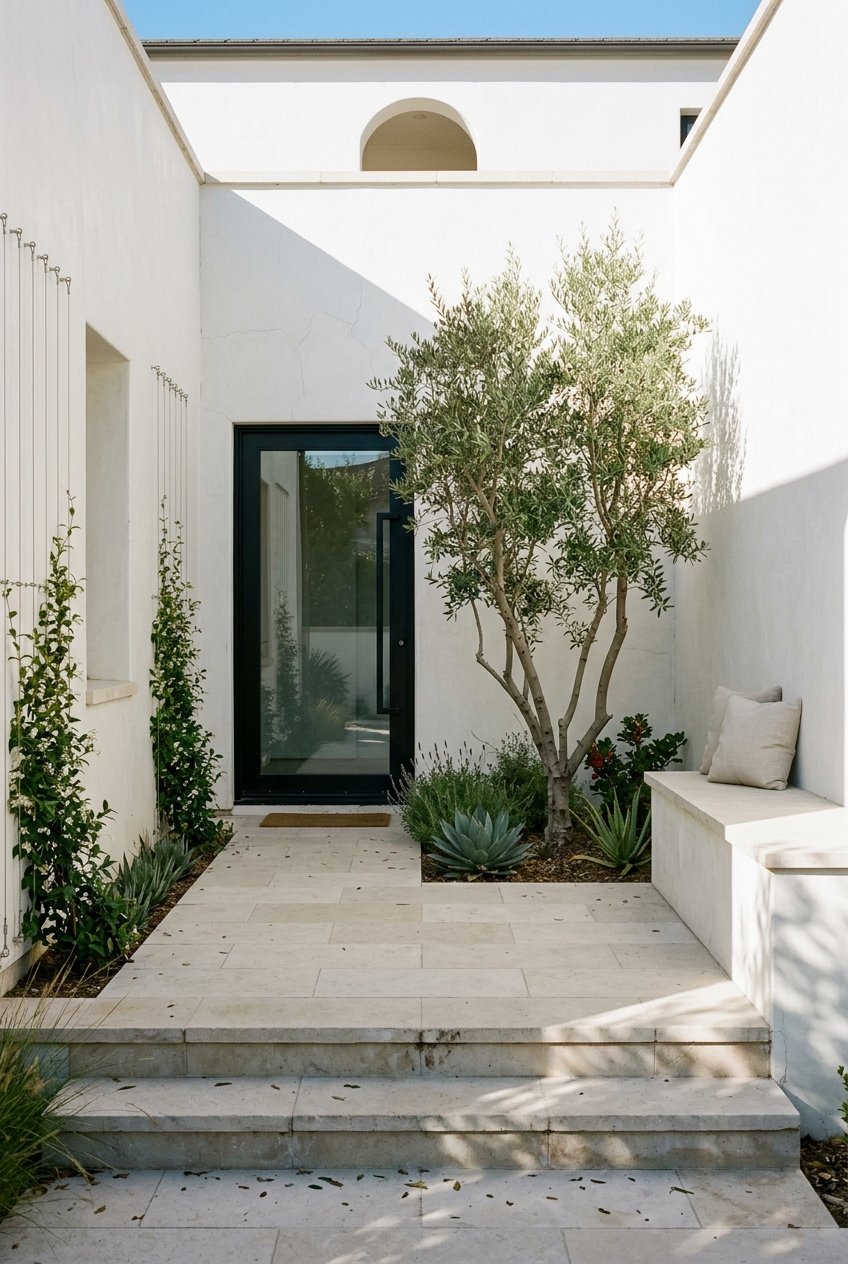
In Costa Mesa, landscaping is not separate from the home’s style. The city encourages native plant palettes and water-efficient landscaping, and current design trends also show growing interest in low-water outdoor spaces such as succulent gardens and Mediterranean planting schemes. That makes water-wise design both relevant and visually appropriate here.
A coastal-casual exterior often looks best when the landscape feels clean, intentional, and easy to maintain. Instead of overly thirsty lawns or fussy planting, the look may come together through texture, structure, and climate-appropriate greenery. This supports the relaxed feeling buyers often want.
For sellers, smart landscaping can also strengthen first impressions. A home that feels consistent from architecture to planting usually reads as better cared for and more thoughtfully designed. In a style-driven market, that visual consistency matters.
If you own an older Costa Mesa home, the most effective updates often improve comfort while respecting what made the property appealing in the first place. The city’s preservation guidance supports remodels and rehabilitations that respect original architectural integrity. That is especially important in homes with distinctive bungalow, Craftsman, Spanish Colonial, or period details.
In practice, that usually means avoiding dramatic overhauls that erase the home’s original proportions or rhythm. Updates tend to feel more authentic when they work with existing rooflines, porch scale, window patterns, and honest materials. The goal is to make the home live better, not to make it unrecognizable.
Strong update priorities often include:
These improvements align well with both buyer expectations and Costa Mesa’s local design framework. They can also help a home feel current without losing the qualities that make it special.
Design language shapes how a home is perceived long before anyone studies the floor plan. In Costa Mesa, homes that feel bright, relaxed, and true to their setting often stand out because they reflect what people already associate with the area. That does not mean every house must look the same. It means the strongest homes usually feel locally grounded.
If you are buying, understanding coastal-casual design can help you spot which features have lasting appeal. Look beyond surface staging and pay attention to light, flow, materials, and how the outdoor areas connect to daily living. Those fundamentals often matter more than trend-driven finishes.
If you are selling, thoughtful preparation can make a major difference in how your home shows. At The Gipe Group, we see firsthand how presentation, staging, and smart remodel guidance can help highlight the design qualities buyers already want in coastal Orange County homes. In Costa Mesa especially, leaning into the home’s natural character often creates the strongest result.
Costa Mesa’s homes are appealing because they combine creativity, climate, and character in a way that feels lived-in and lasting. Coastal-casual design is really the clearest expression of that mix. If you want guidance on positioning a Costa Mesa home for today’s market, connect with The Gipe Group.
Stay up to date on the latest real estate trends.
Etiam non quam lacus suspendisse faucibus interdum. Orci ac auctor augue mauris augue neque. Bibendum at varius vel pharetra. Viverra orci sagittis eu volutpat.