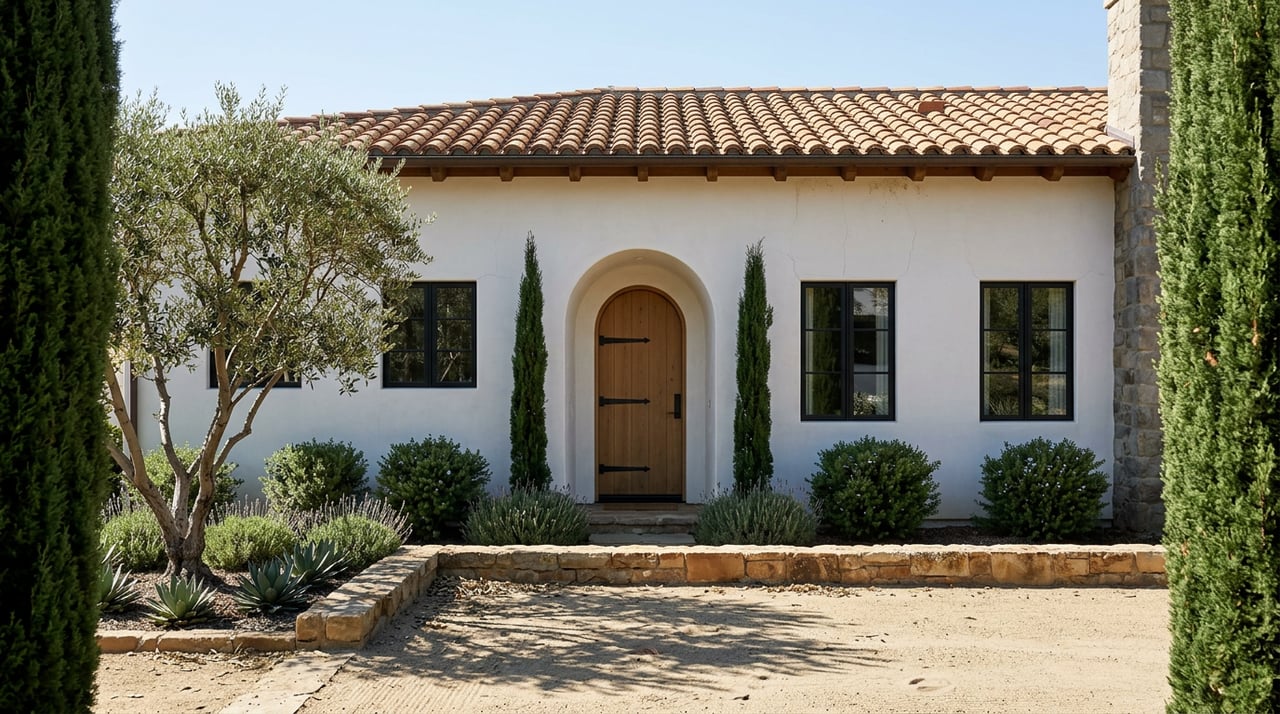
Palos Verdes Estates Art Jury Rules Before a Home Sale
August 13, 2026
August 13, 2026
A Palos Verdes Estates homeowner recently found out that in this city, some bills come due years after you think you've settled them. Facing more than $10,000 in penalties for exterior items installed before he bought the house two years earlier, he told ABC7 in a March 2026 investigation that he had inherited a problem he never created and was never warned about. His name is Jim Sheriff, and his experience points to a piece of Palos Verdes Estates real estate that never shows up on a listing page: a private architectural review body older than the city itself, with the authority to fine a current owner for a previous owner's uninspected work.
If you're comparing homes on the Palos Verdes Peninsula, the number worth understanding before you write an offer isn't price per square foot. It's the compliance history of the property.
The Palos Verdes Art Jury was established in 1923, sixteen years before Palos Verdes Estates incorporated as a city in 1939. It didn't grow out of a homeowners vote or a modern HOA formation. It comes from deed restrictions recorded against the land itself as part of the original Palos Verdes Trust Indenture, which means the authority runs with the property forever and passes automatically to every future owner. Buying in Palos Verdes Estates means stepping into a neighborhood with genuinely protected architectural character.
The Art Jury's original mandate came from architects who wanted the Peninsula to hold a specific look. Myron Hunt, who also designed the Malaga Cove Library, was among the founders who shaped the Spanish and Mediterranean style still enforced today. The Palos Verdes Homes Association, which administers the Art Jury, describes its role as approving the "good of its kind" standard for every exterior on roughly 5,500 properties.
This is the point that trips up more buyers than any fee schedule. The Palos Verdes Peninsula is actually four separate cities: Palos Verdes Estates, Rancho Palos Verdes, Rolling Hills, and Rolling Hills Estates. Each regulates exterior changes differently. The Miraleste neighborhood inside Rancho Palos Verdes was part of the original Palos Verdes project before that city incorporated separately. The rest of Rancho Palos Verdes answers to its own city design review. Rolling Hills has a private body of its own, the Rolling Hills Community Association, with different rules entirely.
Two houses a few minutes' drive apart, both marketed as "Palos Verdes," can sit under completely different approval systems. If you're weighing a remodel-heavy property against a similar one on the other side of a city line, the review process, not just the renovation itself, is part of what you're actually comparing.
The Art Jury and the City of Palos Verdes Estates run on separate tracks with separate fees.
| Project scope | Typical Art Jury review time | Art Jury fees |
|---|---|---|
| Minor, like-for-like exterior work | 2 to 8 weeks | Lower end of the range |
| Moderate changes (new windows, small addition, fence or wall work) | 6 to 12 weeks, including possible resubmission | Mid-range |
| Major remodel, second story, new home, ADU, or grading | 3 to 9 months or longer, often multiple review cycles | Up to $15,000 |
Fees across the board can range from roughly $1,000 to $15,000 depending on project size, and that's before any city permit fee is added. The Art Jury meets biweekly for minor projects, with applications due by noon the preceding Monday, and biweekly for major projects as well.
"It's a homeowners association that they get their funding through the fees that they charge."
That's how one Palos Verdes Estates homeowner described the system in ABC7's report. Whether or not you agree with the framing, the fee structure is real, and it means a remodel budget that only accounts for city permit costs is missing a second, sometimes larger, line item.
Here is where the timeline matters most for anyone actually buying or selling. Sellers in Palos Verdes Estates are well served by requesting a compliance inspection from the Art Jury before listing. The association will physically walk the property with records of previously approved plans in hand, checking for exterior items that were never formally reviewed. Past inspections have flagged patios, gates, awnings, sheds, skylights, and window replacements that homeowners assumed were minor enough not to need sign-off.
If something turns up unapproved, resolving it takes time, which is exactly why waiting until an accepted offer is in escrow to find out is the expensive way to learn this. Unpermitted or unapproved exterior work discovered mid-escrow can delay closing, trigger a price renegotiation.
Jim Sheriff's case illustrates the risk of an unresolved item. Bay Cities Construction says new owners in Palos Verdes Estates are liable for existing noncompliance issues at the time of sale, regardless of who installed the work or when. Asking for Art Jury and permit history during due diligence, not just a standard inspection report, is the practical way to avoid stepping into that gap.
Owners who have tried to challenge the Art Jury's authority in court have mostly lost. In Palos Verdes Homes Association v. Rodman, a 1986 California Court of Appeal decision, a homeowner argued that the association's design guidelines improperly restricted his passive solar water heating system. The court upheld the guidelines as a "reasonable restriction" under California's Solar Rights Act, finding that aesthetic considerations are a legitimate part of design review, not an unlawful barrier to solar installation. That precedent has continued to shape how later solar and design disputes in other California HOAs get decided.
The practical takeaway isn't that the Art Jury always wins by default. It's that working through the process, with a complete submittal and a plan for the timeline, is consistently faster and cheaper than fighting it after the fact.
If you're selling:
If you're buying:
Does this apply to solar panels? Yes, though state law limits what the Art Jury can restrict to placement and screening rather than blocking installation outright, a boundary the Rodman case helped establish decades ago.
This piece is informational and reflects publicly available guidance as of August 2026. It isn't legal or financial advice, and current fees, forms, and timelines should always be confirmed directly with the Palos Verdes Homes Association before you plan a project or a purchase.
Buying or selling in Palos Verdes Estates rewards the kind of preparation most portals never mention. If you want a clear read on what a specific property's compliance history looks like before you write an offer or sign a listing agreement, The Gipe Group can walk you through it. Unlock Exclusive Private Listings and get a straight answer on what you're actually inheriting.
Stay up to date on the latest real estate trends.
Etiam non quam lacus suspendisse faucibus interdum. Orci ac auctor augue mauris augue neque. Bibendum at varius vel pharetra. Viverra orci sagittis eu volutpat.